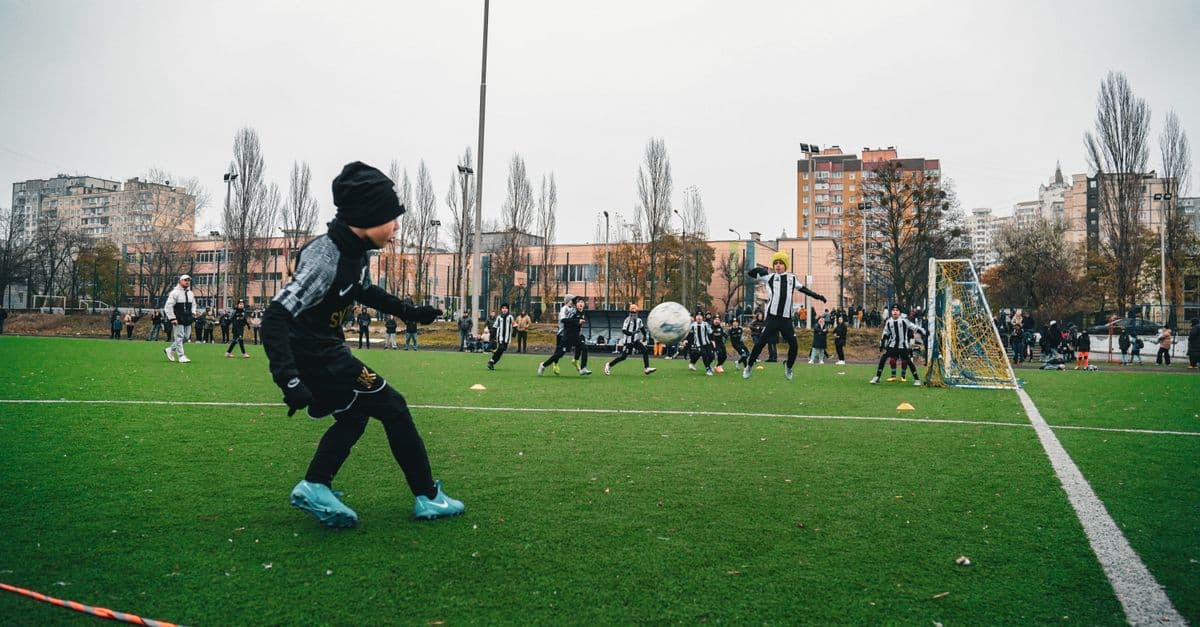
Youth football coaching is not adult coaching scaled down. The cognitive load that a 14-year-old handles comfortably can overwhelm a 10-year-old entirely. A drill with two conditions and a counter-press trigger is a fine U16 exercise. With U10s, it is twenty minutes of confusion and frustration.
This guide covers what works at each age, what to strip out, and how to structure sessions that match where your players actually are, not where you want them to be.
U10: Technical Foundations, Not Tactics
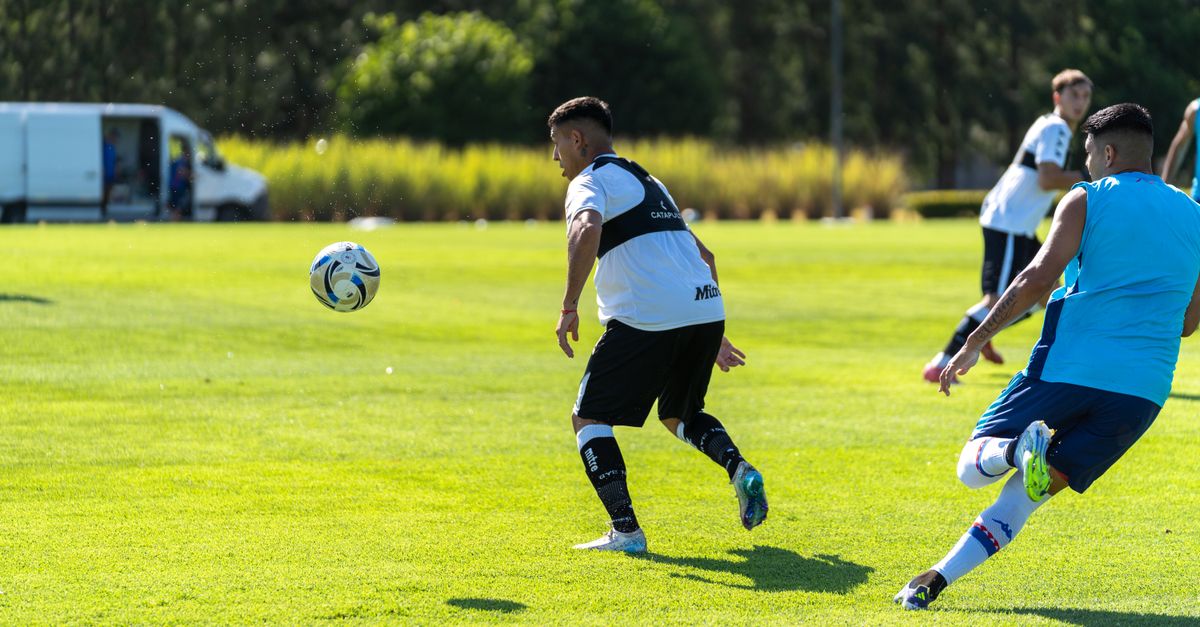 At U10, every drill should involve a ball, unopposed work builds comfort first.
At U10, football development is almost entirely about the ball. Can the player receive it, control it, and pass it with some accuracy? Can they dribble under light pressure? Do they enjoy playing?
The answers to those questions drive every session decision.
What works at U10:
- Small-sided possession games (2v1, 3v2). Maximum touches on the ball per player. Fewer players means more decisions and more contacts. A 3v2 in a 15×10 area runs constantly, no waiting.
- Gates dribbling. Scatter 8–10 small cone gates across a 20×20 area. Players dribble through as many gates as possible in 60 seconds. Teaches close control, change of direction, and scanning without cognitive overload.
- Passing pairs with movement. One-two combinations where the passer always follows the pass and receives a return. Simple but effective for developing pass weight and support positioning.
What to avoid at U10:
- Complex formations and positional roles. U10 players should explore the whole pitch, not be restricted to a lane.
- Long explanations of rules before playing. Demonstrate, play, correct as it happens.
- Win-at-all-costs competition. The coach who prioritises results over development at this age does lasting damage.
Session length: 60–75 minutes maximum. More than that and focus deteriorates.
U12: Adding Decision-Making
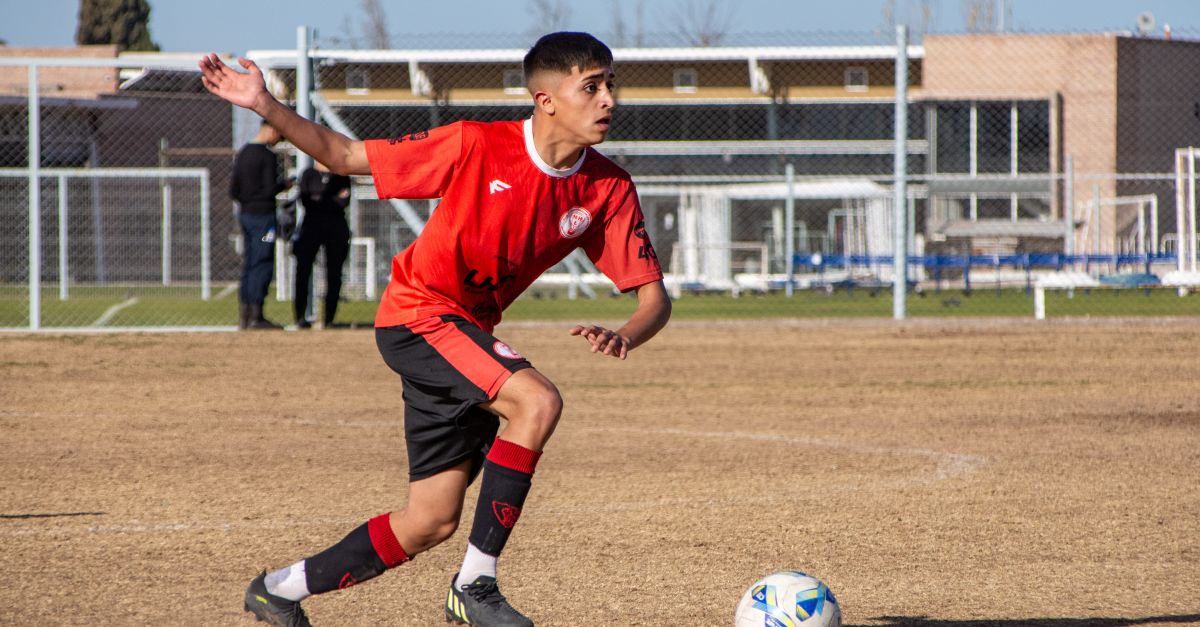 At U12 the game becomes the teacher, conditions force the decisions you want to develop.
By 12, most players have enough technical baseline to start thinking about the game around them. The ball can now be a vehicle for decisions, not just a thing to control.
What works at U12:
- 4v2 rondos. The foundational possession drill. Teaches scanning, quick passing, and dealing with pressure, all in a small area. See our 4v2 rondo guide for the full setup.
- Conditioned small-sided games. 5v5 with a condition, such as "you can only score from a cross" or "the team that switches play gets a bonus point," forces players to think about the session theme.
- Positional patterns. Simple three or four-player passing sequences that teach support angles and weight of pass. Keep them short (3–4 passes) and progress quickly.
Session length: 75–90 minutes.
U14: Tactical Awareness Begins
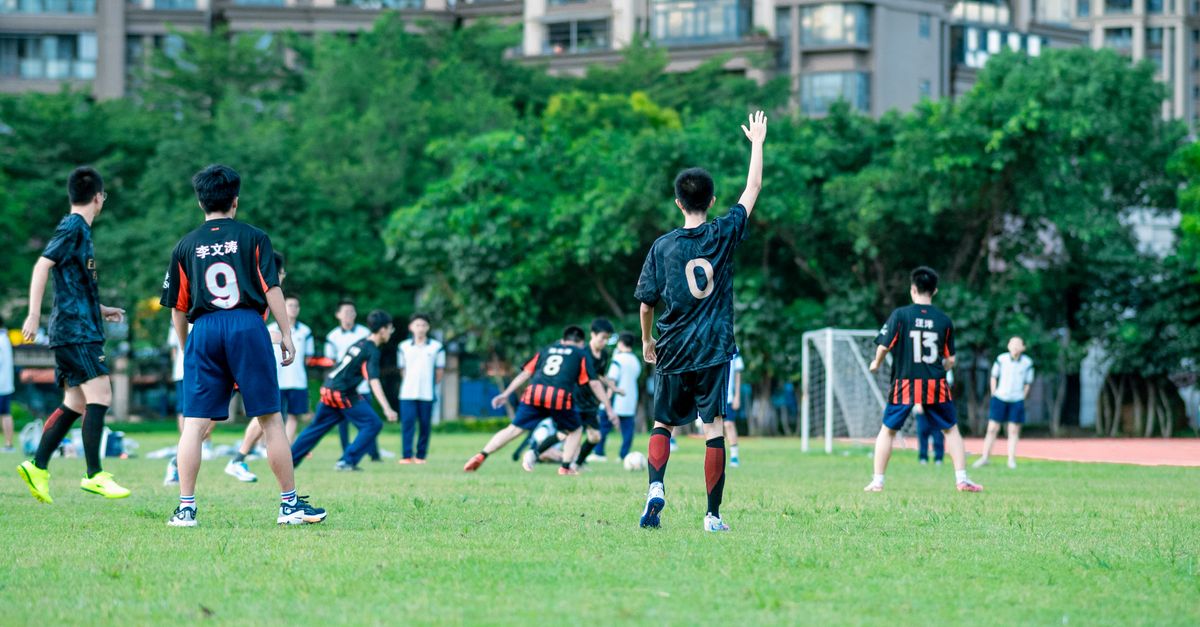 U14 players can start reading the game, coaches should ask questions not just give answers.
At 14, players can hold more complexity. They can understand pressing triggers, support angles, and why a team defends in a certain shape. This is the age to introduce tactical themes explicitly.
What works at U14:
- Positional games with pressing tasks. 7v7 or 8v8 where the defending team is given a specific pressing trigger, such as "press when the ball goes to the centre-back." Forces real game-like decisions under pressure.
- Combination play patterns. More complex sequences (five to seven passes, three or four players) that replicate movements in your system. Third-man runs, overlaps, underlaps.
- Transition exercises. Win the ball and go immediately. Lose the ball and press immediately. This is where modern football is played and U14 is the right age to start embedding it.
Session length: 90 minutes. Match the training session length to the match they will play.
Planning Across Age Groups
If you coach multiple age groups, which is common in grassroots clubs, the biggest efficiency gain is building your drill library once and tagging drills by age group suitability. You do not re-invent the 4v2 rondo for every age; you adjust the rules and area size.
On Clubroom, you can tag every drill you build with age group labels. When you are planning a U12 session, filter by U12 and start from drills you have already designed and used.