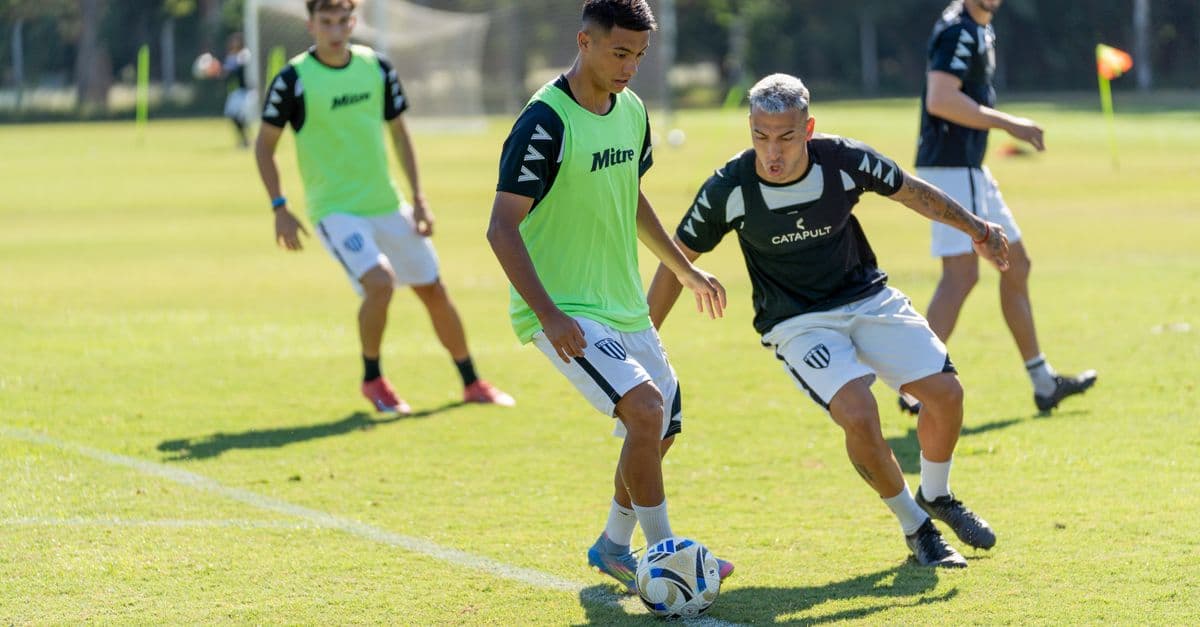
Small-sided games are the most efficient training tool in football. They give every player more ball contacts, more decisions, and more physical work than any full-sided exercise. When designed well, they teach the session theme without the coach needing to stop play every two minutes.
When designed poorly, they are an expensive waste of time dressed up as training.
Here is how to plan small-sided games that actually teach something.
The Core Design Principle
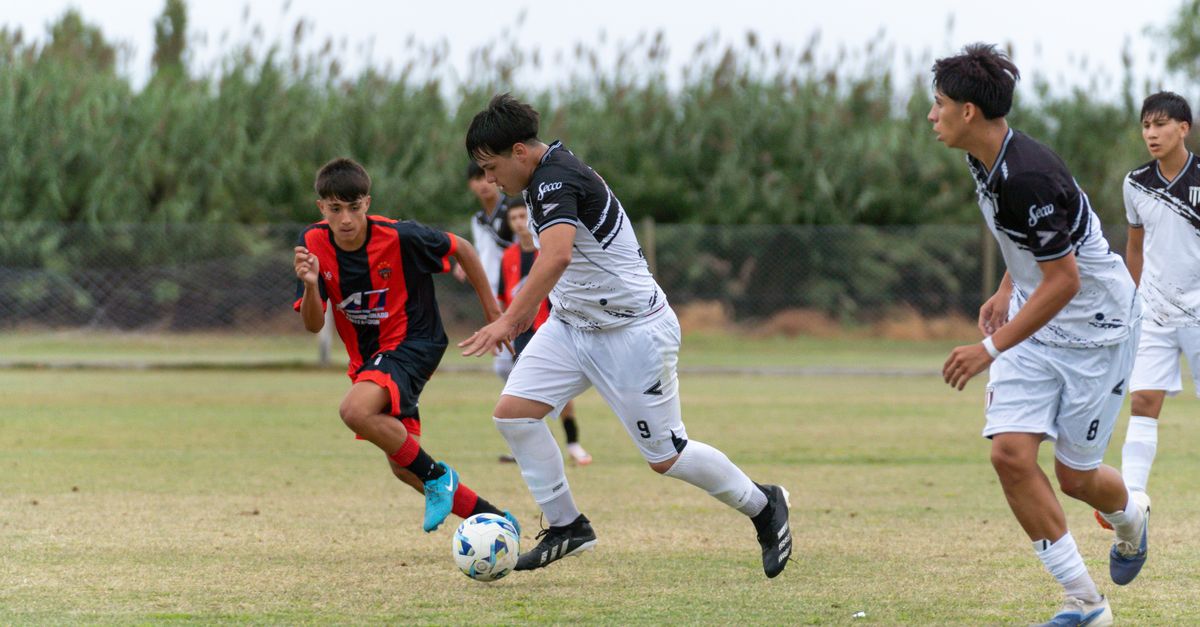 Small-sided games create more decisions per player per minute than any other format.
Every small-sided game should have a purpose. Not "practice," but a specific outcome that connects to your session theme.
Wrong: "Let's play a 5v5." Right: "Let's play a 5v5 where you score by dribbling across the end line, which forces the defending team to stay compact and the attacking team to look for gaps rather than shooting from distance."
The condition creates the behaviour. The behaviour is the coaching point. Without the condition, players default to what they are comfortable doing, which may not be what you are trying to develop.
The Four Variables You Control
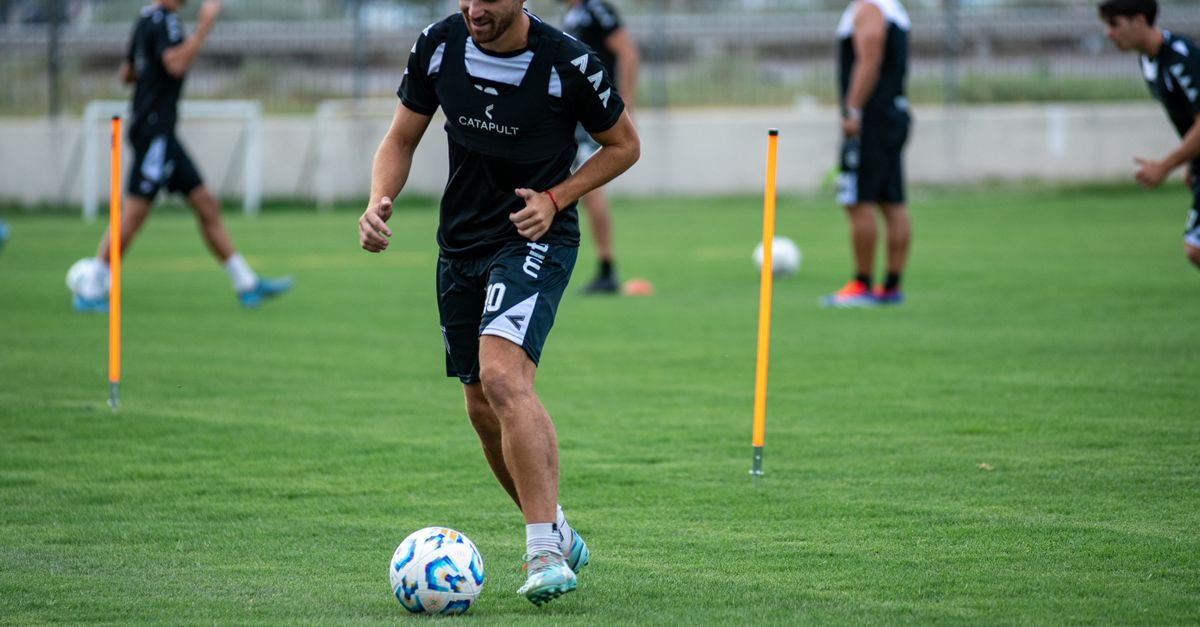 Cone layouts define the space, pressure, and decisions available in each game.
Size of the space. Larger areas favour possession and technical quality. Smaller areas create pressure, force quick decisions, and develop composure on the ball. Adjust based on what you are training.
Number of players. Fewer players (2v2, 3v3) mean more individual decisions per minute. More players (6v6, 7v7) allow you to replicate match-like positional structures.
Conditions. A condition is a rule that makes the desired behaviour more likely. Examples:
- "Score only counts after five consecutive passes": teaches patience and possession.
- "Bonus point for goals scored from the far side": teaches switching play.
- "Team that concedes immediately presses to win it back": teaches transition shape.
Scoring system. Points do not have to be for goals. Award points for successful switches, for combinations, for winning the ball in the opponent's half. What you score for is what players practise.
Common Small-Sided Game Formats
2v2 / 3v3 (individual development): Constant 1v1 situations. Best for dribbling, receiving under pressure, and individual defensive decisions. No hiding.
4v4 / 5v5 (combination play): Enough players for combination patterns but small enough that individuals cannot disappear. Ideal for third-man runs, give-and-goes, and pressing as a unit.
7v7 / 8v8 (tactical application): Large enough to replicate positional structure (a back three, midfield triangle, and two forwards) but still creates more touches than an 11v11.
Planning Small-Sided Games Into a Session
A session typically has one or two small-sided games. The sequencing matters:
- Technical practice first. Isolate the skill with low opposition. Let players get repetitions before adding the complexity of a game.
- Constrained small-sided game. Apply the skill in a game context with a condition that forces the theme.
- Free small-sided game or scrimmage. Remove conditions. See if the behaviour transfers without the scaffolding.
If the behaviour disappears the moment you remove the condition, you have not embedded it yet. Return to the constrained game and run it longer.
Setting Up Quickly
The fastest way to lose a session is a slow setup between drills. Design your small-sided games so the space from the previous drill can be reused or quickly adapted. Moving two cones to change a 20×20 area into a 20×30 is faster than building a new setup from scratch.
Write the space dimensions in your session notes before you arrive. Know what you need before you set the first cone.