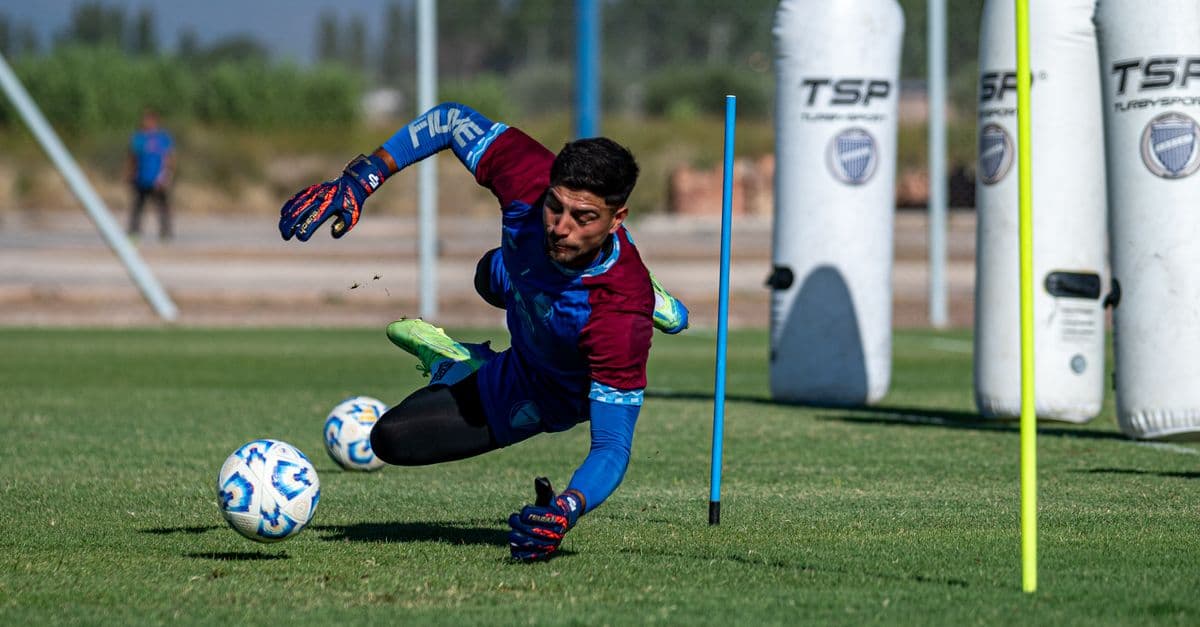
Pressing is misunderstood. Most coaches teach it as a physical task: "run harder, close them down faster." The teams that press well understand it as a coordinated decision, everyone moves together when a specific trigger occurs, and nobody moves until it does.
Designing drills that teach this distinction is harder than designing drills that teach effort. Here is how to do it.
What a Pressing Trigger Is
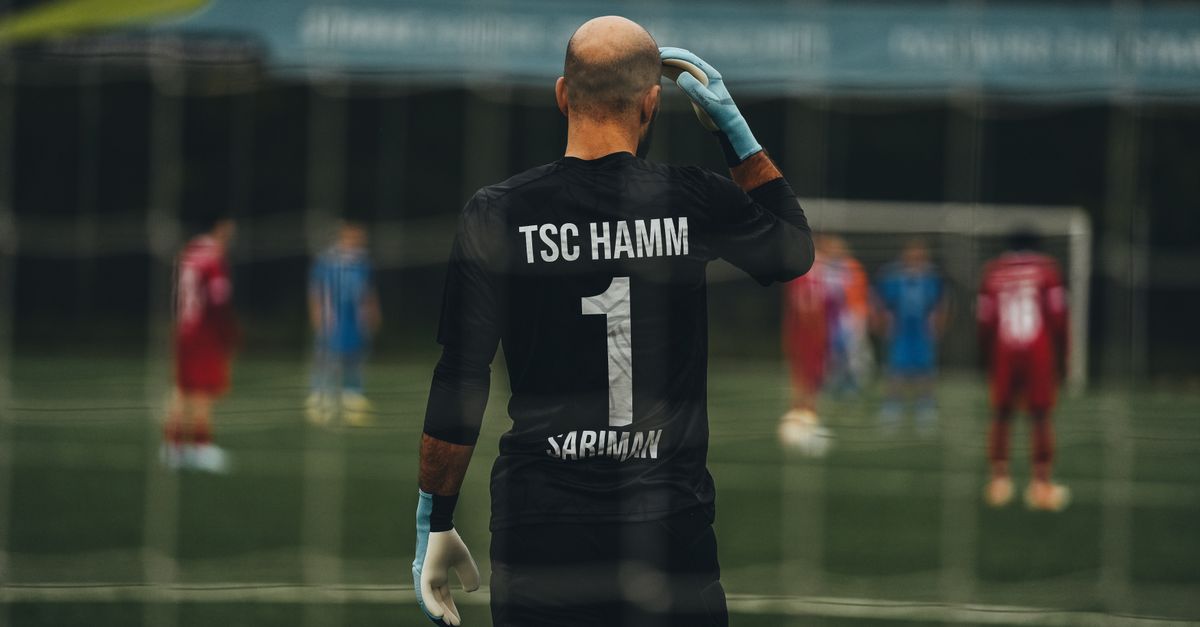 The goalkeeper reads the trigger first, their voice starts the press before outfield players react.
A pressing trigger is the moment when your team initiates the press. Without a shared trigger, pressing becomes chaotic: one player presses, the others wait, the space opens up.
Common pressing triggers:
- The ball is played to a specific zone (wide, back to goalkeeper, central defender under pressure)
- The receiving player takes a heavy touch
- The ball is played backwards
- A specific player receives the ball
The trigger you choose depends on your system. But every player must know it, and every drill you run should practise reacting to it.
Drill 1: The Trigger Recognition Exercise
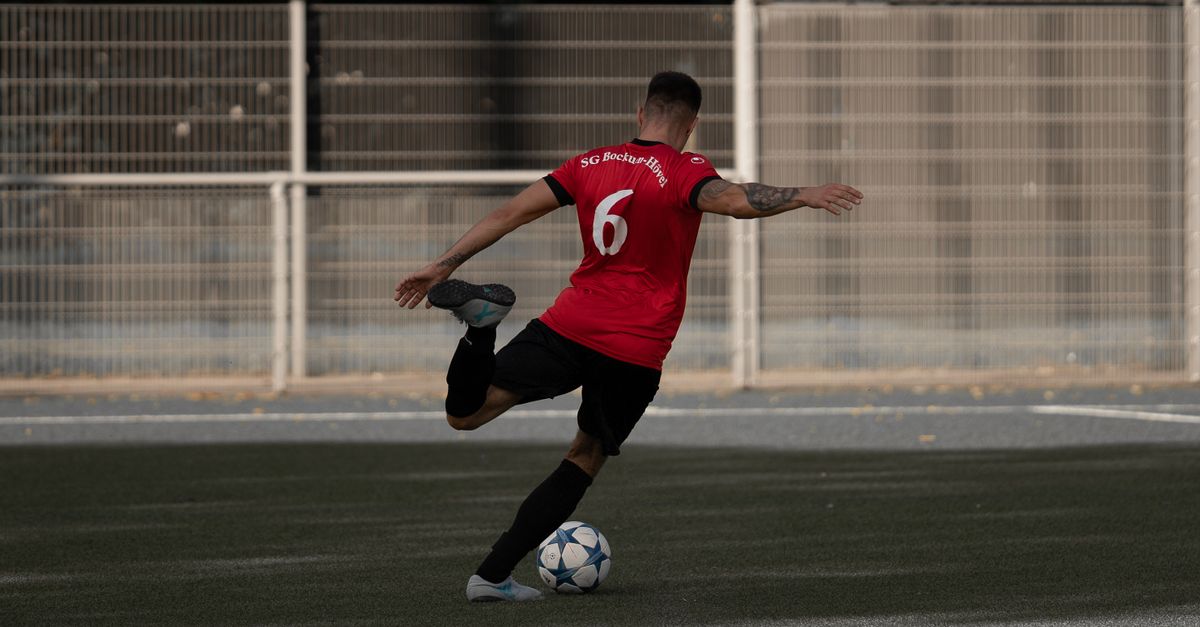 Small-sided pressing games make the triggers instinctive under fatigue.
Setup: 10×10 area. Three attackers keep possession. One coach stands outside the area and calls triggers at random intervals.
Task: The two defenders inside press hard the moment the trigger fires. If the trigger does not fire, they hold their shape.
Why it works: It trains players to wait for the trigger, not to act on instinct. Impulsive pressing is what the drill corrects.
Progression: Replace the coach's signal with a specific game moment (the ball played back to a centre-back) so players learn to read the trigger from the game rather than a person.
Drill 2: The 5v5 Pressing Coordination Drill
Setup: Half-pitch. Two teams of five. When Team A loses the ball, they must recover to a defensive shape and initiate a press.
Condition: Team B scores a point for every time they complete three passes after winning the ball. Team A scores a point for every time they win it back within five seconds.
Coaching cues:
- "First player to the ball: show them inside"
- "Second player: cut the pass to the ten"
- "Midfield: step up when the press starts, not before"
Why it works: The time condition creates urgency. The points system gives the pressing team a reason to coordinate rather than chase.
Drill 3: The Compactness and Press Combination
Setup: Full pitch split into three horizontal zones. Defending team of seven plays in a compact shape in the central zone. Attacking team of nine tries to play through.
Condition: The defending team cannot press in the first zone. When the ball enters the central zone, they can press. When it enters the final zone, they must press.
Why it works: Zone restrictions teach positional discipline. Players learn that pressing starts from the right position, not from the nearest player.
Common Pressing Drill Mistakes
Drilling effort without shape. If your pressing drill has no shape requirement, you are training fitness, not pressing.
No consequence for failing to press. If the attacking team scores easily when the press breaks, the defenders do not care enough to coordinate.
Too many players, too much space. Pressing drills need to be tight enough that the press can actually work. A 9v9 on a full pitch with no conditions makes pressing impossible.
Diagramming Your Pressing Drills
Draw your pressing drills on the pitch canvas before the session. Showing players the compact shape they should be in when the trigger fires, with zones marked, takes thirty seconds to read and saves five minutes of explanation on the pitch.